
Little Known Facts about Sunscreen | Is Sunscreen Actually Safe?

Summer is headed our way and as we are reaching for our sunscreen, I urge you to do a little more research on what products you are grabbing from the store. Here’s why…
Last week, my kids were outside for the millionth day in a row (since quarantine) and I noticed my son’s face was getting red. So I reached for our pool back (from last summer…don’t judge me) and rubbed some sunscreen on his face. A very well known brand that was actually made for your face.
Within minutes, his face was bright red with bumps all over it. He had an instant reaction and now more than a week later, the redness has barely gone away and the bumps are reaction is still there. I was so upset. This wasn’t the first time someone I knew had a reaction to this brand either.
So I tossed all of the old brands we had and have finally replaced them with a cleaner, mineral sunscreen. But It made me think, how many moms do I know run-up to target and grab whatever SPF is on the isle to put on their kids just like I have for the past 10 years?
Even the ones labeled for kids and praised for being gentle on your face are still filled with harsh, hormone-disrupting chemicals. So I thought I would put together some general info for you about sunscreen to hopefully help you select which one is right for you and your family.
#1 The common sunscreen additive vitamin A may speed the development of skin cancer
Retinyl palmitate is an antioxidant that combats skin aging. But studies by federal government scientists indicate that it may trigger the development of skin tumors and lesions when used on the skin in the presence of sunlight. Other governments warn that cosmetics may contribute to unsafe amounts of vitamin A, and recommend against using vitamin A-laden cosmetics on the lips and large portions of the body. Yet the sunscreen industry continues to add vitamin A to beach and sport sunscreens and other products with SPF.
EWG recommends consumers avoid sunscreens, lip products, and skin lotions that contain vitamin A or retinyl palmitate, also called retinyl acetate, retinyl linoleate, and retinol.
#2 Don’t be fooled by a high sun protection factor
Products with high sun protection factor, or SPF, tempt people to apply too little sunscreen and stay in the sun too long. The FDA has proposed prohibiting the sale of sunscreens with SPF values greater than 60+ and has called higher SPF values “inherently misleading,” but the agency has not yet issued a regulation that carries the force of law.
#3 Some sunscreen ingredients disrupt hormones and cause skin allergies.
Sunscreen is designed to be applied to large portions of the body, several times per day. Sunscreen ingredients soak through the skin and can be detected in human blood, urine, and even breast milk. Several commonly used ingredients appear to block or mimic hormones, and others cause allergic reactions on sensitive skin. The FDA’s sunscreen rules grandfathered in sunscreen active ingredients that were already on the market. The agency has never reviewed the evidence of ill effects of all ingredients used in sunscreens.
PLUS, with all of this said, the beauty industry has not changed its regulations and laws since 1938! The founder of Beautycounter says "It's been over 80 years since Congress has passed comprehensive legislation that would protect consumers from harmful ingredients in personal care and beauty products. As the CEO of a manufacturer of products, I believe it's our duty to use the safest ingredients possible. In today's underregulated beauty market, however, doing so is extremely challenging,"
Amen, Beautycounter, Amen.
Even products in our baby lotions and soaps are SO toxic and I am so thankful I have found some products that are so much better for my family!
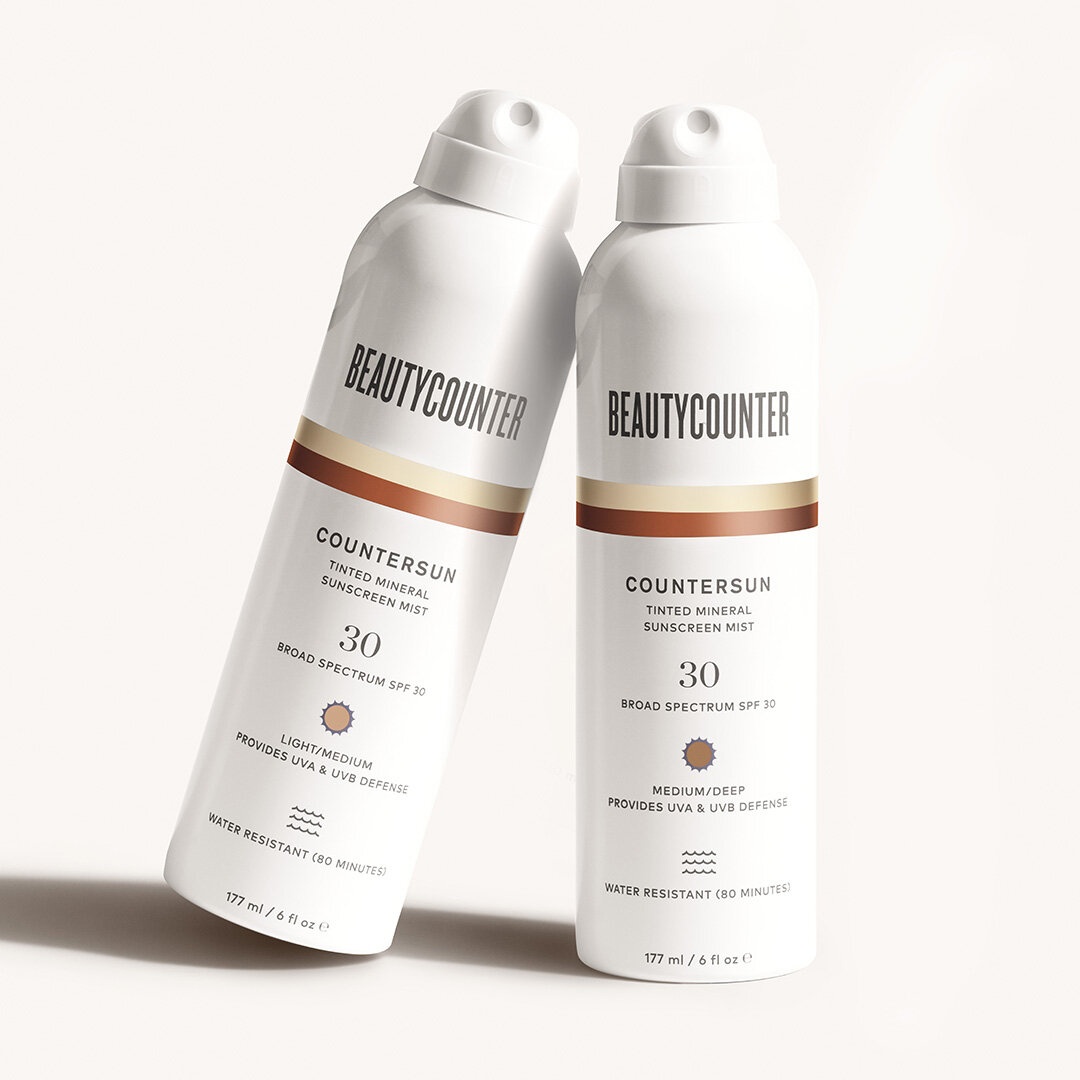
Here is some more information about sunscreen and some clean sunscreen options for your whole family.
(PLUS a tinted sunscreen for mama to smooth out your skin?? UUUMMM yes please)
This article was also very eye-opening and helpful to find out the trouble with Sunscreen Ingredients…
SOURCES:
https://www.ewg.org/sunscreen/report/8-little-known-facts-about-sunscreens/